
Join AIG for our first Webinar Wednesday on March 18th
Presented by AIG faculty, this continuing education event will explore timely issues shaping dementia care, person-centered practice, and leadership in today’s care environments. Each session is designed to offer practical insight, thoughtful reflection, and strategies you can immediately apply in your work.
Register for all three sessions or choose the ones that interest you most.
We are offering a full three-webinar package at a $10 discount—just $125. Use this link for the March Webinar Wednesday Package.
Continuing education credits are offered for Administrators, Catholic Chaplains, and New York State Social Workers.
#1 How Science and Technology Are Reshaping Dementia Care
Wednesday, March 18, 2026
9:00 – 10:00 a.m. ET
1.0 CEU | $45 per person
Skilled nursing facilities are increasingly supporting residents with advanced dementia and complex behavioral needs. These changes are reshaping operational demands, staffing models, and care environments, requiring leaders to rethink how science, technology, and care design work together to support both residents and staff.
Advances in neuroscience and emerging technologies are offering new insight into how dementia affects the brain’s ability to interpret surroundings, manage stress, and regulate behavior. This webinar will review the practical leadership considerations stemming from these advances, exploring how tools such as environmental design, adaptive cueing, and technology-supported interventions can help reduce distress, improve staff response, and create more sustainable care settings. Participants will learn practical approaches for incorporating technology and care-design strategies to better support residents with advanced dementia while improving staff effectiveness and organizational preparedness.
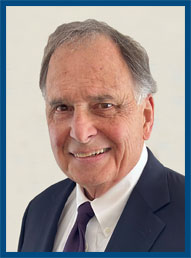
Presented by
Alfred Norwood, MBA, BS
Learning Outcomes
Following this presentation, participants will be able to:
- Analyze factors driving increased behavioral complexity among residents with advanced dementia.
- Examine how neuroscience-informed approaches and emerging technologies can improve care environments and staff effectiveness.
- Apply leadership strategies that support organizational preparedness and sustainable dementia care practices.
Continuing Education
1.0 continuing education credits are offered for Administrators, Catholic Chaplains, and New York State Social Workers. Click here for more information.
#2 From Caregiver to Care-Partner: Advancing Person-Centered Care in Long-Term Care
Wednesday, March 18, 2026
10:30 – 11:30 a.m. ET
1.0 CEU | $45 per person
Person-centered care invites professionals to move beyond task-focused caregiving toward meaningful partnerships that honor dignity, identity, and connection. This webinar explores how care-partnering strengthens relationships, enhances communication, and supports whole-person well-being while helping staff rediscover purpose and resilience in their roles.
Participants will learn practical approaches to deepen presence, cultivate emotional intelligence, engage residents as individuals shaped by their values, culture, and life experiences, and support a culture that values the whole person.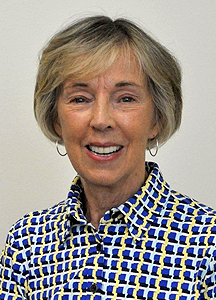
Presented by
Clare L. Horn, LCSW
Learning Outcomes
Following this presentation, participants will be able to:
- Explain the principles of person-centered care and care-partnering in long-term care practice.
- Apply communication strategies that promote dignity, connection, and emotional safety.
- Recognize the role of emotional intelligence in building therapeutic relationships.
- Identify practices that support both resident well-being and caregiver resilience and empowerment to promote residents' involvement in their own care.
Continuing Education
1.0 continuing education credits are offered for Administrators, Catholic Chaplains, and New York State Social Workers. Click here for more information.
#3 Under Pressure: Leadership Strategies for Burnout, Fatigue, and Compliance in Long-Term Care
Wednesday, March 18, 2026
12:00 – 1:00 p.m. ET
1.0 CEU | $45 per person
Burnout, fatigue, and inconsistent compliance among long-term care staff are often attributed to gaps in training or individual performance. Evidence increasingly indicates that these challenges more often stem from system pressures, including rising resident acuity, complex cognitive and medical needs, workload demands, communication breakdowns, and insufficient operational planning. When organizational capacity is strained, the gap between knowing and doing widens, increasing the likelihood of shortcuts and unreliable practice.
This webinar examines how organizational conditions shape workforce behavior, risk, and care outcomes. Participants will evaluate leadership approaches that move beyond education alone by strengthening operational support, embedding ongoing coaching, improving communication structures, and aligning accountability with staff capacity. Emphasis will be placed on practical leadership interventions that enhance reliability, support workforce sustainability, and safeguard quality of care.
Presented by
Shane Cooney, BA, SHRM-CP
Learning Outcomes
Following this presentation, participants will be able to:
- Identify organizational factors that contribute to staff burnout, fatigue, and non-compliant behaviors.
- Explain how workforce strain influences decision-making, risk, and care quality.
- Apply leadership strategies that support staff capacity while reinforcing accountability.
Continuing Education
1.0 continuing education credits are offered for Administrators, Catholic Chaplains, and New York State Social Workers. Click here for more information.
Need Help or Have Questions?
If you need help or have any questions or concerns about these webinars, please email info@avilainstitute.org or call Melissa Silvestro at (518) 537-5000.